











Key points
- Scaling removes tartar (hardened plaque) that brushing and flossing can’t shift.
- Most people need it every 6 months, and more often if they have gum disease.
- A visit takes 30 minutes to 1 hour and usually doesn’t hurt. Gums may bleed or feel sensitive for a day or two.
- Gum disease that needs more than a regular clean is treated by a periodontist (gum specialist).
You brush your teeth twice a day and floss regularly, so your teeth must be healthy, right? Not necessarily. Even with great at-home hygiene habits, you may still need to see a dentist for teeth scaling. So what is teeth scaling, when do you need it, and how much does it cost? Read on to find out.
What is teeth scaling?
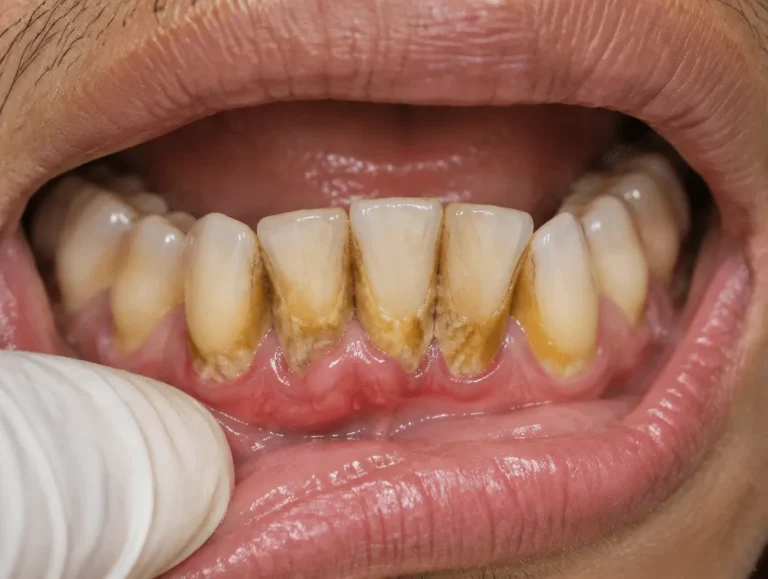
Teeth scaling is a professional cleaning that removes plaque and tartar (hardened plaque) from the teeth, above and just below the gum line. Your dentist uses special instruments to lift the tartar off, then polishes the teeth. If tartar has built up deep under the gums, a deeper cleaning called root planing may also be needed.
When do you need teeth scaling?
You may need teeth scaling if you have tartar buildup, gingivitis (early stage of gum disease), or periodontitis (advanced stage of gum disease). While plaque can be removed at home with regular brushing and flossing, tartar can only be removed by a professional dentist.
Who performs teeth scaling?
Dentists and periodontists (gum specialists) carry out scaling. In some countries, dental hygienists do it too. If you have gum disease, scaling may be combined with root planing, which smooths the root surfaces below the gum line, and you may need more than one appointment.
What happens before teeth scaling?
Typically, periodontal disease doesn’t hurt. During a dental examination, your dentist might determine that you have periodontitis. Dental X-rays may also be used to check for issues like bone loss, cavities, and abscessed teeth (tooth infections). Your doctor will review your treatment choices if you have periodontitis. At a later session, teeth scaling will be performed.
What occurs during teeth scaling?
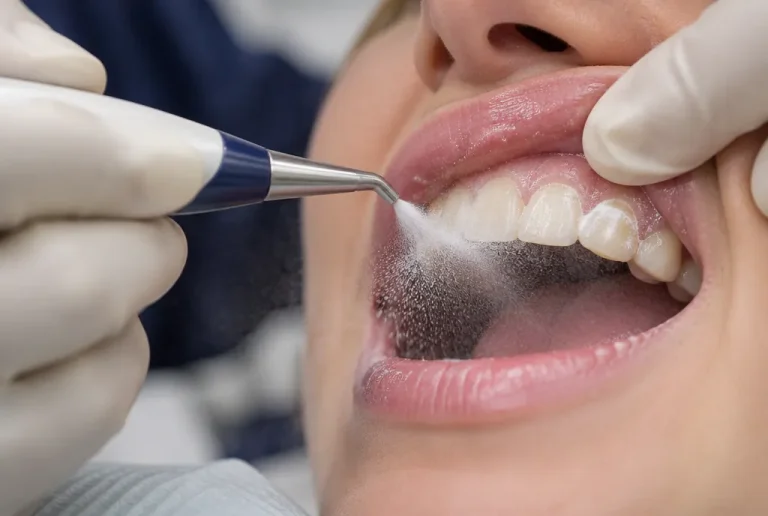
The dentist will carry out the scaling procedure using an ultrasonic scaler, a vibrating instrument and these actions could happen during tooth scaling:
- The scaler’s vibrating metal tip removes tartar from your teeth above the gum line.
- A fine water spray from the scaler cools the tip and flushes loosened tartar and plaque out of the gum pockets.
- Your dentist then uses fine hand instruments (scalers and curettes) to remove any remaining tartar.
What happens after teeth scaling?
Plaque and bacteria are less likely to adhere to the polished surfaces of your teeth after treatment. As your gums recover, inflammation lessens. Your healthy gums can reattach to the rounded tooth roots more firmly.
Your doctor will gauge the pockets around your gum tissue at follow-up visits. Periodontal surgery can be required if the pockets don’t get smaller.

Benefits of teeth scaling
Regular teeth cleanings are essential because they can remove tartar buildup before it leads to gum disease. Gum disease is a serious condition that can lead to tooth loss, so it’s essential to catch it early and treat it before it becomes more advanced. In addition to preventing swollen gums and gum diseases, teeth scaling can also help:
Avoid dental decay and cavities
Removing plaque and tartar regularly lowers your risk of cavities and tooth decay. Plaque is a soft, sticky film of bacteria. Left on the teeth, it produces acids that weaken the enamel, the hard outer layer of your teeth. Scaling every six months, together with brushing twice a day and flossing, keeps plaque under control.
Prevent periodontal disease
Plaque, which causes various issues, will damage your gums if it has grown below the gumline. This may also result in tooth loss. Cleaning or scaling your teeth will protect your gumline, a strong anchor for your teeth, and maintain good dental hygiene.
Remove stains
Tobacco, wine, tea, coffee and other dark drinks leave stains on the teeth. Scaling and polishing remove these surface stains. They don’t change the natural colour of your teeth; for that, ask about teeth whitening.
Avoid bad breath
Plaque, which is the root of many dental problems, traps germs and hardens into tartar on the teeth, which causes halitosis or bad breath. Brushing and flossing help, and scaling removes the tartar and bacteria they miss, which often improves bad breath. If bad breath continues after a clean, your dentist can check for other causes.
Save on restorative dental care
To your surprise, the cost of teeth cleaning is far less than the condition that develops without frequent teeth scaling, as it aggravates dental problems. There are many reasons individuals don’t go for regular teeth scaling or cleaning; one is to save money. If this occurs, you will need to spend more money on restorative dentistry such as dental filling or periodontal disease treatment. Teeth scaling is a component of preventative treatment and aids in preventing numerous dental diseases because prevention is always preferable to cure.
Are there any risks involved?
Teeth scaling is generally safe, but as with any dental procedure, there are some risks and post-operative symptoms involved. These risks may include:
- Bleeding gums
- Swelling in the gums
- Tenderness or soreness in the gums
- Infection in the gums
- Weakened root surfaces
- Damage to filling materials or other dental work
- Increased sensitivity to hot or cold temperatures
Thankfully, some of the post-operative symptoms are normal and the risks are rare, and if you experience any unusual side effects after your procedure, be sure to contact your dentist immediately. They will be able to help you determine whether or not the side effect is normal or cause for concern.
What to expect after teeth scaling?
Most people don’t experience any significant side effects after having their teeth scaled. As discussed above, you may have some minor bleeding or swelling in your gums for a few days after the procedure, but this is normal and should go away on its own within a week or so.
Contact your dentist if the bleeding or swelling lasts longer than a week. Additionally, you may notice that your teeth are more sensitive than usual for a few days following the procedure. This is also normal and should resolve itself within a week.
To help ease any discomfort and speed up the healing process, be sure to:
- Rinse with warm salt water three times per day
- Avoid hard foods
- Brush gently
- Floss carefully
- Use an alcohol-free mouthwash
- Take pain medication as needed
In most cases, you will be able to return to your regular oral hygiene routine within 24 hours of having your teeth scaled. However, be sure to follow any instructions given to you by your dentist.
How many dentist visits will I need to have my teeth scaled?
A routine scale and polish is usually done in one visit of 30 minutes to 1 hour. If you have gum disease and need scaling and root planing, your dentist may treat one side of the mouth, or one quarter, at a time, so the treatment can take two to four visits.
What if I have dental anxiety?
Feeling nervous about the dentist is common, and you are not alone. Tell us when you book: your dentist can explain each step first, agree a signal for you to pause, and go at your pace. If your fear is severe, talking to a counsellor or psychologist can also help.
How much does teeth scaling cost?
Scaling prices vary between clinics and depend on how much tartar there is. See our latest scaling prices, and what every visit includes, in the Scaling prices section above.

Final words
Getting your teeth scaled regularly is important for maintaining good oral health. Not only does it remove tartar buildup that can lead to gum disease, but it can also give you fresher breath and boost your overall self-esteem. While some risks are involved, they are rare and typically go away on their own.
You only have one set of teeth when you’re an adult. Nobody wants to run the risk of losing them to gum disease. Fortunately, teeth scaling can keep your smile intact. The equipment and knowledge required to remove the tartar that causes periodontal disease are only available to dental professionals.
However, regular brushing and flossing can maintain the health of your gums and teeth. Ask your dentist or other dental professionals to demonstrate how to brush correctly, floss, and take care of your teeth to reduce your risk of gum disease.
Looking forward to getting your teeth scaled in Setia Alam, Shah Alam or Kota Damansara? If so, be sure to visit Stellar Dental! Our dentists will check your teeth and gums, clean them thoroughly and show you how to keep them healthy. Book online or WhatsApp us.